Digital accessibility has evolved beyond basic internet connectivity. Today, how easily a user can read, understand, and interact with online content determines the quality of their digital experience. For a vast and linguistically diverse audience across India, accessing web content in a primary or regional language is not just a preference—it is a key factor in seamless navigation.
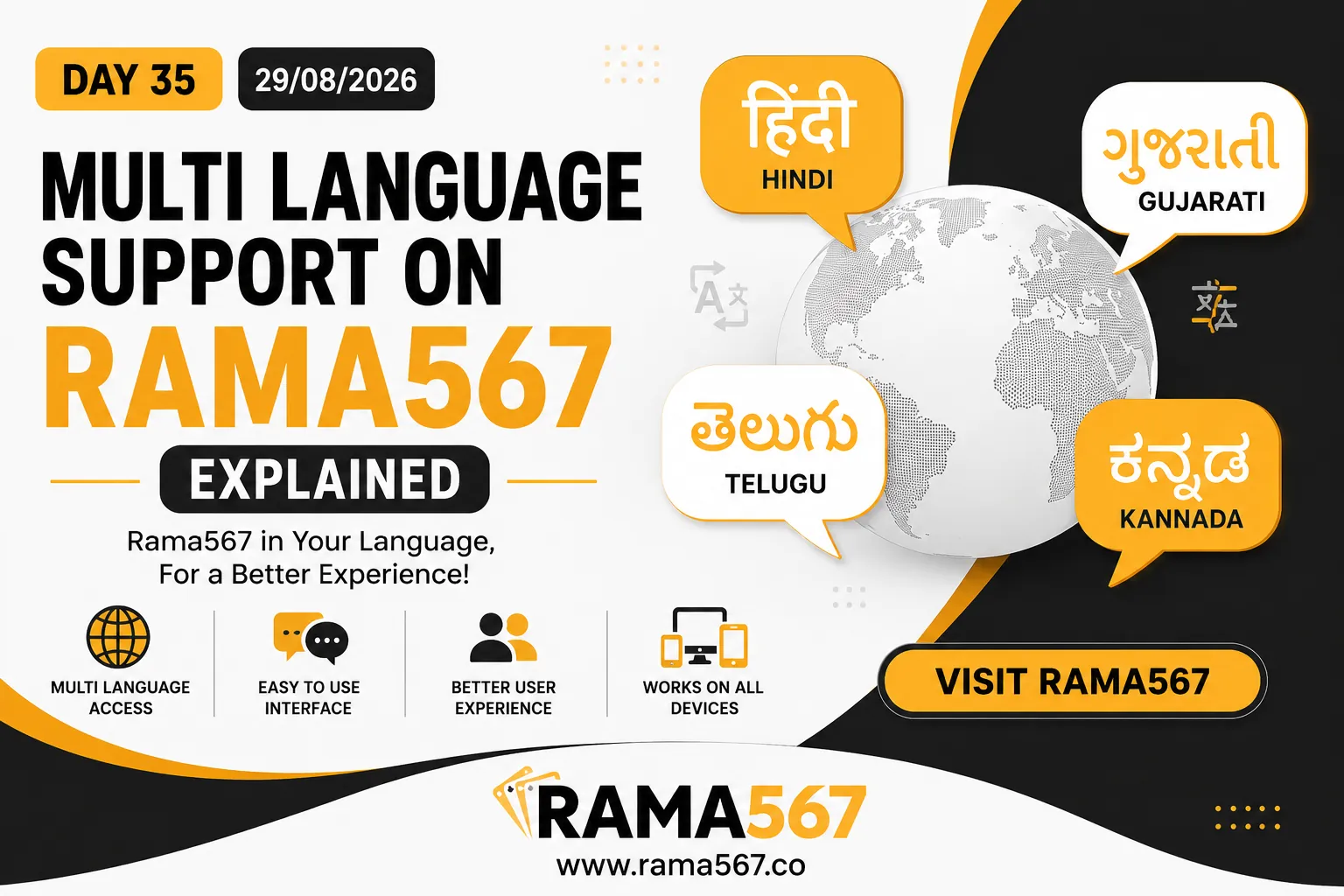
When platforms focus on regional usability, concepts like Rama567 Hindi, Gujarati, Telugu, and Kannada language options become essential for building a user-centric environment. Providing access to familiar terminology, structured guides, and localized interface labels helps users feel confident while exploring a website. Understanding how multilingual features function on digital platforms like Rama567 highlights why regional language integration matters for digital accessibility.
What Does Multi-Language Support Mean?
A multilingual website is a digital platform designed to present its content, user interface, labels, and instructional materials in more than one language. Rather than forcing every visitor to read content in a default language, multilingual systems accommodate localized preferences.
Websites offer diverse language choices primarily to remove communication barriers. Key benefits of regional-language integration include:
- Improved Comprehension: Complex instructions, technical terms, and terms of service are easier to digest when written in a user's native tongue.
- Enhanced Visual Navigation: Users process menu items, button labels, and section headings faster when displayed in familiar scripts.
- Reduced Cognitive Load: Readers do not have to translate words mentally, leading to a more relaxed and comfortable browsing session.
- Broader Inclusivity: Multilingual design allows individuals with varying degrees of fluency in non-native languages to access the same online resources effectively.
The relationship between language and user experience (UX) is direct. When a website speaks your preferred language, navigation feels intuitive rather than frustrating.
Rama567 Hindi Language Support
Hindi is one of the most widely spoken languages in the region, making Rama567 Hindi language considerations a significant factor for localized web reach. Offering Hindi content helps bridge the gap for millions of users who prefer reading in Devanagari script.
Familiar Terminology for Account & Service Sections
When platform instructions and main navigation headings are available in Hindi, users can easily locate core sections, understand basic platform policies, and follow step-by-step guides without needing secondary translation tools. Clear Hindi terminology ensures that important informational notices and user directions are accurately understood.
Rama567 Gujarati Language Support
Regional language usability extends significantly into Western India, where Rama567 Gujarati accessibility offers tailored value for Gujarati-speaking audiences. Localized Gujarati content creates a familiar environment where readers can browse details with ease.
When digital platforms integrate Gujarati text options, it simplifies the reading process for users who are accustomed to native Gujarati publications and interfaces. Localized headings, contextual guidance, and clear page breakdowns ensure that visitors can read through platform resources comfortably, reducing drop-off rates caused by language confusion.
Rama567 Telugu Language Support
Serving audiences across Southern India requires dedicated attention to major regional languages, making Rama567 Telugu language support a vital piece of the accessibility puzzle. Telugu speakers often seek out platforms that respect regional script preferences.
Having informational resources available in Telugu helps users:
- Identify primary site categories and menu items easily.
- Read through platform rules, user safety guides, and FAQs without misinterpreting key points.
- Interact with online resources with greater self-assurance.
Providing structured Telugu content enhances overall readability and allows users to browse different platform modules comfortably.
Rama567 Kannada Language Support
Similarly, Rama567 Kannada language options address the browsing preferences of Kannada-speaking audiences. Navigating digital systems can sometimes feel overwhelming when technical jargon is presented solely in English or secondary languages.
By integrating regional Kannada text, platforms provide a convenient browsing structure where users can review page content, access instructional summaries, and navigate through different sections without hesitation. This focus on regional accessibility makes digital interaction straightforward for all visitors.
Comparing the Supported Language Experience
The table below outlines how different regional options enhance the overall user experience across typical platform content sections.
| Language Option | Potential User Benefit | Typical Content Areas |
|---|---|---|
| Hindi | Facilitates easier understanding for Hindi-fluent readers | Navigation menus, help guides, general platform information |
| Gujarati | Provides a more comfortable, localized reading experience | Informational pages, category headers, user guides |
| Telugu | Improves overall accessibility and readability for Telugu speakers | Site sections, navigation options, educational materials |
| Kannada | Delivers smoother, more convenient browsing for Kannada readers | Onboarding content, help sections, instructional steps |
Note: The comparison table above highlights the general user accessibility benefits associated with regional language availability. It describes localized UX concepts and does not imply that every specific section or feature on the live site is guaranteed to be fully translated in every language at all times.
Why Regional Language Support Matters
Multilingual features are not just aesthetic design choices; they form the foundation of accessible web design. Integrating Rama567 Language Support and regional localization provides distinct advantages:
- Direct Accessibility: Removes language as a roadblock, allowing users from diverse geographic backgrounds to access identical information.
- Clearer Comprehension: Readers process critical guidelines, policies, and instructional details accurately when presented in their primary language.
- Effortless Navigation: Intuitive labels reduce user confusion, minimizing wrong clicks and bounce rates.
- Terminology Familiarity: Translating complex digital terms into everyday regional phrases prevents misunderstandings.
- Inclusive User Experience: Demonstrates respect for cultural diversity by catering directly to various linguistic demographics across India.
How to Use a Multilingual Website Effectively
If you are navigating a platform with multi-language capabilities, follow these beginner-friendly steps to optimize your experience:
- Access the Web Platform: Open your preferred browser and navigate to the official domain (e.g., Rama567).
- Locate the Language Option: Look for a language selector tool, typically located in the top header, menu bar, or page footer (often represented by a globe icon or drop-down list).
- Select Your Preferred Script: Choose Rama567 Hindi, Gujarati, Telugu, Kannada, or English depending on your comfort level.
- Explore the Navigational Links: Once selected, move through the main menu links to ensure the platform sections update to your chosen language.
- Switch Languages When Necessary: If a specific phrase or technical term seems unclear in one language, feel free to toggle back to another option to verify the meaning.
- Review Critical Information: Always read rules, platform guidelines, and instructional steps carefully to ensure a clear understanding of the content.
Language Support and User Experience
A platform’s layout and visual design mean very little if visitors cannot interpret the words on the screen. Rama567 Multi Language features directly influence key dimensions of UX performance:
- Readability: Clean typography in native scripts ensures that users do not strain to read small or poorly formatted text.
- Barrier Reduction: Eliminating the need for third-party browser translation plug-ins creates a faster, native browsing feel.
- User Confidence: People interact more freely with a platform when they fully understand every click, button, and confirmation notice.
- Sustained Engagement: Visitors spend more time reading articles, guides, and resources when the text flows naturally in their native tongue.
Focusing on Rama567 Regional Language accessibility emphasizes user comfort above all else, ensuring that digital content remains clear, inclusive, and easy to navigate.
Conclusion
Providing multi-language options—including Hindi, Gujarati, Telugu, and Kannada—is a major step toward creating an inclusive, easy-to-use digital ecosystem. When platforms prioritize regional language support, they ensure that critical site information, navigation paths, and help guides are accessible to everyone, regardless of their primary language. Exploring regional language options allows you to enjoy a smoother, clearer, and more tailored browsing session.
Visit Rama567 today to explore accessible website features and browse informational resources in your preferred format.
FAQS
1. Does Rama567 support Hindi?
Hindi-language accessibility options are intended to help Hindi-speaking visitors read website information, navigate menu sections, and understand instructional guides comfortably.
2. Is Gujarati language support available on Rama567?
Gujarati language integration allows Gujarati-speaking users to explore platform content and reading materials using familiar localized terminology.
3. Can users access Rama567 information in Telugu?
Telugu-language options help Telugu readers view site labels, informational breakdowns, and support guides in a script they easily understand.
4. Does Rama567 provide Kannada-language content?
Kannada support helps Kannada-speaking users browse platform layout options, read informational pages, and navigate site modules without language barriers.
5. Why is multilingual support useful for website users?
Multilingual support enhances overall user experience by reducing reading effort, improving comprehension of technical terms, and making website navigation intuitive for diverse regional audiences.